Tuesday 24 June 2008

Man Eaters - The Legend of the Tsavo Lions

There has been much speculation about the man-eaters of Tsavo with a fair amount of sensationalizing and dramatizing especially in the movie based on the story. "The Ghost and the Darkness" was an entertaining film but definitely a spiced up version.


"Tsavo" translates to "Place of Slaughter" which is aptly named if true. Between Lt. Col John Patterson, who was building a railway bridge over the Tsavo River (Kenya) during 1898, who hunted a wide variety of wildlife extensively, and the 2 Tsavo lions that allegedly killed and ate over 130 Indian workers the name certainly fits the bill.


During a period of 9 months the Tsavo lions hunted those working on the bridge despite erecting bomas (fences built from thorn tree branches) and burning fires at night in an attempt to keep the lions away from the camp. The attacks came mainly at night when the lions would enter a tent and drag out the unfortunate victim and then proceed to devour him nearby.


Work ground to a halt on the bridge when the workers all fled in fear. Lt. Col John Patterson, after many attempts, shot the first lion on Dec 9, 1898 and 3 weeks later the second. The maneless lions measured 3m long from nose to the tip of the tail. After the lions were shot and killed the crew returned to the bridge and completed the project.


Why did these lions become man-eaters? Different theories abound, so let's have a look at some of them.


Theory 1: The lack of manes on the Tsavo lions proved there was something wrong with them: No, actually Kenya is known for its' maneless lions, which may be genetic. One of the theories for the lack of manes in these lions is the incredible heat during the summer season. A thick mane in this heat could seriously hinder their hunting activity. The primary reason lion have a mane is to protect its neck during fighting for territory with other male lions.


Theory 2: The Tsavo lions killed for pleasure: No, unlike the movie where scores of people were killed in one scene, the lion would take a victim and leave to eat. A wild animals prime instinct is for survival. Lions may kill enemies such as hyena, or having fought off the resident male he may kill the existing cubs in the pride.


Theory 3: Scarcity of food caused the lions to see humans as prey: Possible. During the 1890s rinderpest (disease) killed millions of buffalo, zebra, gazelle and other wildlife in Sub Saharan Africa, so food was still limited and the workers provided an easy source of food.


Theory 4: An injury of some sort caused the lion to attack humans: Possible. It is said that one of the lion had a broken molar and an abscess had developed underneath it. That means it would have been painful for the lion to eat the tough skin and meat of wildlife such as buffalo. The second lion of course, would have been hunting together with the lion who had the abscess.


Theory 5: Unburied bodies or shallow graves attracted the lion this area: Possible. Railroad workers who die may have been buried in a shallow grave, or not at all. This would have attracted the lions to scavenge for an easy meal, and then perhaps target live humans. Slave and ivory caravans heading for Zanzibar also frequently crossed the Tsavo River in this area, possibly also dumping the bodies of their dead without burying them.


Lion are opportunistic creatures, as are the majority of predators, and when a combination of factors come into play, the above scenario is easy to imagine. To this day, where man and predators live in close proximity there are incidents of lion calling humans. In Tanzania, most of the man-eating lions have been healthy animals living in close proximity to man and domestic animals such as goats and ducks which are easy prey for lion. Then add into the mix a local farmer guarding his crops from marauding animals at night while lion are hunting, and incidents are going to inevitable.


The other theory is that hunting humans can be a "taught behavior" and the problem will persist until the entire pride is eliminated. What is interesting is that man eaters will never return to the same place two days in a row. Lions in Tanzania have been known to break through the mud walls of huts or force their way through the roof to get to a victim, and then drag them away.


In closing, I think it is safe to say that where humans and lions overlap, there will always be incidents.

Tuesday 10 June 2008

Gem & Judd - Hand Reared Gemsbok


Judd, orphaned shortly after his birth with Marcelle, her boerboel Luca, and Mouse the jack russell all enjoying the sun.

Judd a few months on, much stronger, naughty with horns growing at an unbelivable rate.

Judd was kept separate from the older hand reared Gem until he was big enough to able to walk about freely on the farm with her.


Gem the older Gemsbok getting a water bottle from my mother... and then finally Gem and Judd free to walk together on the farm - and still return twice a day for game pellets!

Tuesday 03 June 2008

Scooter the White Faced Owl


Wow last night I was outside at about 10.30pm and I saw a white faced owl glide into a thorn tree near the house. I surmise it was "Scooter", one of the owls I rescued, hand raised and released.

Three fuzzy baby owls fells out of their nest during a very windy day here on the farm, and I was lucky enough to find them before a raptor spotted them, or they died of starvation.

What followed was months of sheer entertainment and joy... not to mention the gruesome task of grinding up dead day old chicks and hand feeding it to the 3 by hand, or the pellets they vomit up. The 3 owls were living with me in my house, generally wreaking havoc and flying around at night because I didn't want to put them in a cage. Each day I would encourage them to sit on my finger and gently put them in a box I used to transport them up to my office. Once there I would let them out and they usuallysat sleeping perched on a wreath I won at an off road race (oh and had great fun pulling it to pieces).

I named them Scooter, Hooter and Tooter. Scooter was the tamest having been found before the other 2. Tooter was the wildest because he had been out in the wild for a few more days than the others, and he never did grow out of biting me when I handled him!

Once they had grown from fuzzy little owls into more mature adults it was time to try out their killer instincts... oh it was too funny! I had a big branch secured inside my house where all 3 were loved to land perch so I sent a live mouse scurrying up the tree. Well, when the mouse with my encouragement walked over Scooters feet, she was not happy and lifted her little talons off the branch in disgust to avoid the mouse. If she was humand she would have said, "Eeeuw whats that thing, gettit away from me!" smiling....With much patience and encouragement she finally grabbed it with her talons... aha!


The 3 left early one morning through an open door (which was always open for them to leave when they were ready) after an incident with a black mamba the previous afternoon in my house. The mamba was lured in by the smell of mice in a cage... but thats another story!

So last night I spoke in my own language to Scooter and stood talking to her under the tree she was in for a while before she flew away. I was ecstatic because I haven't seen her for a year or so.... after she first left, it was a week before she returned and flew into my house to perch on one of the curtain rails. She had her days when I could hold her and kiss her, and other days when she wouldnt let me near her... but she always knew she could come home for food.

I have to say that raising those 3 owls was an incredible experience, filled with much love and laughter... I still remember clearly the 3 lined up on my wreath, and when I spoke in my version of owl to them, they rotate their heads around...

Thursday 29 May 2008

Tanzania Safari Highlights


Tanzania is one of the "hotspots" for African Safari wildlife viewing and is home to the popular Mount Kilimanjaro.

Serengeti National Park spans 14 736 square kilometres/5689 square miles of protected area that borders Kenya's Masai Mara Game Park. The Serengeti's endlessly rolling grass filled plains, sprinkled with acacia trees and numerous wildlife, show off its wild and untarnished beauty. The annual wildebeest and zebra migration is an awesome spectacle. It is the largest mass movement of land animals on the planet, with more than a million animals making the seasonal journey to fresh grazing towards the north, then after the rains journey back to the south. Every year this drama is played out with crocodiles lying in wait at river crossings, lion and other predators hunting the young or weak, and opportunistic scavengers lurking around kills waiting for their chance to steal a meal. The migration spans a number of parks in Tanzania as well as the Masai Mara in Kenya.

Ngorongoro Crater is the largest intact caldera (a type of collapsed volcano) in the world, approximately 20 kilometres/12 miles across. Before the Nogorongoro volcano exploded, it was one of the world's tallest mountains. When the volcano exploded it left behind a flat plain ringed with steep walls. The crater floor is 600m/2000 feet below the crater rim. Within the crater rim, large herds of wildebeest and zebra graze while lion bask sleepily in the sun. A wide variety of animals including the Big 5 are found here along with Thomsons's gazelles, rhinos, water buffaloes and more. Tall Masaai herd their cattle and goats over pastures outside the crater's rim, living alongside the wildlife as they have done for centuries. The Ngorongoro Conservation Area includes forests, scrub bush and huge expanses of highland plains approximately 8300 square kilometres/3204 square miles. A descent down into the crater takes you through lush rain forest and thick vegetation, and onto to grassy plains on the crater floor. The wildlife viewing here is superb as the abundant year round food and water supply eliminate the need for a mass migration.

Selous Game Reserve - Located in a remote and little-visited part of the country, this is Africa's largest protected wildlife reserve. This untouched gem is only accessible by small aircraft, and its plains, rivers and hills are home to packs of wild dogs, black rhino and elephant populations.

Lake Manyara National Park offers varied ecosystems, amazing birdlife and spectacular views. This tiny park (325 square kilometres/125 square miles) combines bush plains, baobab lined cliffs, hot springs and forests. Lake Manyara is an alkaline soda lake, and its brackish water is home to an incredible variety of birdlife. Pink flamingos in their thousands, herons, yellow-billed storks and more. This park was also made famous for its tree climbing lions. During the rainy season they make their home in the acacias and mahogany trees.

Ruaha National Park offers a pristine and untouched environment. With herds of elephant numbering in the thousands, vast numbers of buffalo, gazelle and over 400 bird species, together with the Kisigo and Rungwa Reserves, they form a 40 000 square km/ 15 444 square miles wildlife conservancy. The Great Ruaha River offers spectacular game viewing on its banks. With its remote location, this national park offers an adventurous and unique experience.

Tarangire National Park - The Tarangire River supplies this park with a year round water supply. When the dry season arrives at the Serengeti (late June to early November), many animals move into Tarangire and can be viewed on the river banks. Tarangire is scenically very beautiful, is great for bird watchers and has fewer visitors than the more well knows parks.

Tanzanian Coastline - Hundreds of tiny romantic bays, peninsulas and islands have for thousands of years attracted traders, fishermen and explorers from the Far East, Persia and the Arabian Peninsula. These influences have resulted in an exotic mix of cultures, style, architecture, and cuisine.

Mount Kilimanjaro is the highest peak and most famous mountain in Africa. The trek to the top takes hikers through alpine grasslands, forests, barren rock face and striking white glaciers. The top of Mt Kilimanjaro offers stunning views of the surrounding areas such as Kenya and the Masaai Steppe.

Mahale Mountains National Park borders the shore of Lake Tanganyika and the western border of the Congo. The park is home to a large number of primates with regular sightings. A chimpanzee safari including hikes into the jungle to observe these primates in their natural habitat is a very rewarding experience. The park is only accessible by small aircraft.
Arusha National Park offers spectacular views of Mt Meru, the crater the region is named after. This small park includes the Ngurdoto Crater, a volcano that has been extinct for a quarter of a million years, Mt Meru and the Momela Lakes. There are day hikes along the lower slopes of Mt Meru with paths to crystal clear rivers and cascading waterfalls, and for the more adventurous it's a 3 day trek to reach the crater's summit.

Pemba is dotted with desert islands, coconut palms and some of the best diving in the Indian Ocean, with diverse species of marine life and coral. Her unspoilt shores and pristine waters, along with clove plantations and spice fields make this a unique destination.

Warm climate with maximum temperatures of 32°C/90°F. Early mornings and evenings can be cold with minimum temperatures of 12°C/90°F. Winter is from May to September, and summer from October to April. Rainfall is seasonal with the so-called ‘short rains’ in November and December and the ‘long rains’ from March to May. The Great Migration can be seen in the Serengeti National Park from November through to June.
A Tanzania Safari has much variety to offer and is the experience of a lifetime.

Kenya Safari Highlights


Kenya is a premier African Safari wildlife destination with an abundance of varied landscapes, and a vast concentration of wild animals and birdlife.

The spectacular Masai Mara National Park which lies in the Great Rift Valley covers 1510 square kilometres/575 square miles and offers plains full of Thomson's gazelle, impala, giraffe, topi, zebra, wildebeest, bat-eared foxes, jackal, cheetah, lions, leopards and hyaena throughout the year. During the great migration, thousands of wildebeest can be seen moving in search of greener pastures between July and October. They travel from Tanzania's Serengeti plains towards the Masai Mara, home to the Mara River which holds hippo and large Nile crocodiles that lie in wait for wildebeest crossing the river on their migration route. In October or November the migration turns around and moves back to the Serengeti plains. In this park the black-maned lion can be found and it is possible to see the Big Five during one game drive.

Meru National Park - Made famous by Joy Adamson's book "Born Free, the story of "Elsa" the orphaned lioness, and George Adamson's life and research amongst lion and cheetah, this park has 13 rivers and is especially beautiful and wild with diverse scenery from wide open plains, to riverbanks with palms to woodlands and includes excellent views of Mount Kenya. Meru National Park is 1810 square kilometres/700 square miles. The wildlife population includes over 300 bird species as well as lion, elephant, leopard, cheetah, buffalo, hippo, crocodile, various antelope and more.

Samburu, Buffalo Springs and Shaba National Reserves are small adjoining scenic reserves that are home to the Ewaso Nyiro River where large herds of elephant bathe in it's waters. Unique wildlife species such as the blue necked Somali Ostrich, Beisa Oryx, Grevy's Zebra, Reticulated Giraffe and long necked Gerenuk can be found here along with elephant, lion, cheetah, buffalo, hyaena, hippo and crocodile. Birdlife is plentiful here including kingfishers, eagles, vultures and guinea fowl. The Samburu is home to leopard who live in the rocky hillsides of the plain. Buffalos Springs has rolling plains with dry riverbeds dotted with palms. Shaba has dramatic deep gorges and waterfalls. The stark landscape is dominated by Shaba hill and the soils here are volcanic in origin.

Amboseli National Park at the foot of Africa's highest mountain, Mt Kilimanjaro, is a small 392 square kilometres/151 square miles in size and has 5 diverse habitats consisting of open plains, acacia woodland, rocky thorn bush, swamps and marshland. This park is famous for its big game and diversified scenic beauty.

Tsavo National Park - made up of the East and West Tsavo National Park comprising of 20 819 square kilometres /80 382 square miles, this is one of the world's largest game sanctuaries and has plentiful wildlife.Tsavo East is dominated by the Yatta plateau, one of the world's longest lava flows at 290km long, the rapids of the Galana River, a long rock outcrop about 1.6km long where visitors can view wildlife drinking at the dam below, as well at the Aruba dam where many animals come to drink in this area of large dry thorn bush. The popular legend "The Man-eaters of Tsavo" originates here as depicted in the dramatized movie "The Lion and the Darkness". During 1898 during the construction of the bridge of the Tsavo River, the Man-eaters of Tsavo terrorized workers and killed over 130 people before being shot by Colonel Patterson.Tsavo West is much more scenic with vast expanses of savanna, desert scrub, acacia woodlands, riverine vegetation, palm thickets and a mountainous landscape with magnificent views. Mzima Springs gushes water from below a lava ridge that has filtered underground into a series of crystal clear pools. An observation tank sunk into the river, gives an underwater view of the wildlife drinking their fill, and of a variety of of fish specie.

Lake Nakuru is a soda lake in Africa's Rift Valley and the lake's abundance of algae attracts almost 2 million resident pink flamingos, along with a variety of other birds. Warthog, baboon, and black and white rhino can be found here as well as lion, leopard, giraffe, waterbuck and large pythons.

Lake Naivasha is known as a world class birding destination with over 400 species of birds recorded. This lake is freshwater, almost 13kms wide with shallow waters an average of 5m deep. The banks are lined with papyrus and forests of yellow fever trees surround the lake. Hippo, giraffe, and buffalo can be found here, along with Colubus monkeys.

Kenya's Coastline is lined with sandy white palm fringed beaches and a vibrant coral reef full of exotic marine life. The coastline runs for almost 480kms and also encompasses dramatic overhanging cliffs, lagoons and mangrove forest. The influence of the Spice trade, and the mix of Indian, Arabic and African traders created a Swahili culture that still lives on today in Kenya.

Lamu Island is one of the few old Swahili towns that has retained all its character and charm with a distinctive tradition over a thousand years old. Explore the winding streets of its medieval stone town, the endless beaches, rolling dunes, tiny villages and dhows sailing the waters. There is no motorized transport on the island and life moves at a relaxed pace.

Weather: Gentle, warm climate. Daytime temperatures are mild and nights can be fairly cool. Summer extends from October to April, with December to March being the warmest months. All year, minimum temperatures are 11ºC/52ºF and maximum temperatures are 30ºC/86ºF. The cool season is from May to September. Depending on when the rains come, the Great Migration normally reaches Kenya in July. Hundreds of thousands of herbivores then disperse onto the plains of the Masai Mara for the next couple of months.
An African Kenya Safari is a magical experience which can encompass game viewing as well as an exotic island break.

Botswana Safari Highlights


Botswana is one of the worlds finest tourist destinations in Africa for unique scenery and wildlife viewing.

Okavango Delta - The Okavango River flows into the Kalahari Desert to form an enchating lush wetland of lagoons and channels, palm fringed islands and fertile floodplains. The Big Five are prolific in this area as well as an amazing array of wildlife. Here you can also find the more rare animals such as red lechwe, sitatunga, wild dogs and wattled crane. The best time for game viewing is during May to October when animal life is concentrated along the deltas flooded areas. Mekoro (local dugout canoe) is an ideal way to view game on the delta banks and numerous waterways.

Moremi Game Reserve showcases floodplains, lagoons, acacia forest and mopane woodland along with a huge diversity of animal and plant life. The best time for game viewing is July to October, during the dry season when animals move to the permanent water sources.

Chobe National Park - Covering 10 566 square kilometres/4079 square miles, this park has one of the largest concentration of game in Africa. Four different ecosystems can be found here including Linyanti Swamps, the Savuti Marsh, the dense forests of the Chobe Rives and lush savanna grasslands of Serondela.

Linyanti Game Reserve - Renowned for its predators including the African wild dog, this private reserve is home to great concentrations of elephant, buffalo, giraffe, impala and roan antelope who congregate along the river during the dry season. The Kwando and Linyanti rivers flow into a 900 square kilometre/347 square miles flood plain known as the Linyanti marshes.

Makgadikgadi Pans National Park - incorporates some of the largest salt salt pans in the world covering 16 000 square kilometres/6177square miles. These pans are spectacular during the dry and wet season. During the rains from November until March, these pans transform into vast areas of water which attract a multitude of birds and animals. Large breeding flocks of flamingo congregate here and the rainy season triggers dramatic migrations of zebra and wildebeest to the area. The pans are home to ancient towering Baobab trees (known as the upside down tree) and palm groves. Makgadikgadi Pans National Park is home to four distinct habitats of salt pans, grassland, scrubland and riverine woodland. Wildlife here includes black-maned Kalahari lion, wild dog, leopard, cheetah, hyaena, springbok, gemsbok, wildebeest, waterbuck, bushbuck and hippo.

Tuli Block - Known as "The Land of the Giants", Tuli encorporates a number of game reserves and is more than 350km long and between 10km to 20km wide. Wildlife that can be seen here includes elephant, kudu, impala, wildebeest, giraffe, lion, zebra, cheetah, waterbuck, eland, caracal, aardwolf, hyaena and jackal including over 350 species of birds. The terrain is quite different to anywhere else in botswana with rugged rocky terrain and outcrops, a network of dry riverbeds and larger rivers with impressive Mashatu and Fever trees lining the banks.
Wildlife and tourism employs about 45% of all the people who live in northern Botswana and nearly 40% of the country as been set aside as private reserves and national parks. The country is focused on delivering the finest possible, authentic wildlife experience. A Botswana Safari is unique and will be remembered for many years.

Weather: Subtropical climate with hot, humid, wet summers (September to April) and warm to cool, dry winters (May to August). Daytime summer temperatures may rise above 35ºC/95ºF, and winter nights rarely drop below 10ºC/50ºF.

Saturday 24 May 2008

Tribute to Mother Africa


Feel the Spirit of Africa. Experience the Dark Continent in all her glorious rugged wild beauty.

She is a land of vast contrasts from lush waterways, to grassland plains, striking red deserts, vast seas of undulating grass where antelope float, salt pans, mountainous ranges and the cracked plains of the great thirstlands.

Hear the cry of a fish eagle soaring overhead, the deep throated roar of a lion, trumpeting of a matriarch elephant or the eerie laugh of the hyena. Marvel at the fiery sunsets while night steals over the African bushveld.

Search for elusive leopard, for herds of buffalo or a pride of lion stalking their next prey. Watch elegant giraffe browsing from acacia trees and hippo displaying huge mouths in warning. Smile at the dung beetle single mindedly rolling its prize away.

For here, life is primal, the fight for survival played out every day.

Friday 23 May 2008

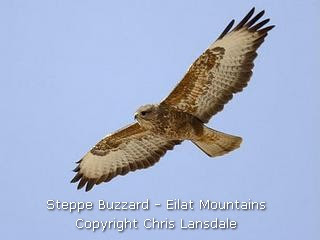
Steppe Buzzard Rescue


The Story of "Buzz"


Guess what I rescued from the side of the road yesterday. I was driving along and saw a raptor standing in the grass on the other side of the road. That's not normal behaviour for a bird of prey not to fly off when cars are driving past so I did a u-turn and went back for another look. I saw an injured bird of prey hopping and limping across the road.

A big beautiful Steppe Buzzard... he couldn't fly but was so beautiful and proud and wild!! I chased after him and when got close he flipped on his back and offered me his claws and a big beak... smiling... all I had was a soft sunshield screen and a rag... so I very slowly and carefully managed to get his eyes covered and gently take a wing and roll him over so he couldn't claw me with those impressive talons or peck me (like peck describes what that beak would do.... BITE rather). Put him in my owl transporter (leftover from the 3 baby white faced owls I rescued, hand raised and released) and left him for the night in the dark to calm down and hope he recovered a bit.

In the morning "Buzz" as I appropriately named him, was standing up inside the carrier and looking very alert so I offered him some rump steak which he had a piece or two of (raptors are actually supposed to get meat with bones and feather for digestion but hey a couple meals of pure meat won't do any harm) and then this morning I went off to a vet who specialises in wild birds. This vet is great and offers his services free of charge to help rescued birds in trouble.... ahem, I have been to him about 4 times in the last 3 months... last time with an injured crane!

Anyway so Oliver took him out of the cage with just the towel I had, and commented that Steppe Buzzards are not very aggressive and you definitely wouldn't handle a Jackal Buzzard without gloves because he would get hold of you and inflict some serious damage. Oliver put him on the table, poor ol "Buzz" was on the defensive with his wings splayed and beak open trying to presenting a threatening look. We immediately saw he had a horrible sore on the underneath of his foot, which was lanced so the pus and blood could drain. After that we put some ointment in the hole and Buzz had a dressing and plaster bandage put on (smiling, with the claws sticking out on the outside). The vet reckons he would have been feeling poorly from the infection poisoning his system but we still needed to work out why he couldn't fly. Then when I was holding Buzz on his back so the vet could inject him with anti-biotic for the infection, I noticed an area that looked very translucent on the inside of his wing... aha, the cause of the no-flight syndrome. The vet said it was looked like a snake bit and that the tissue was breaking down/necrosing. So another injection of anti-inflammatory (to stop the poison spreading, amazing, they also treat dogs bitten by snakes in the same way) and Buzz's emergency treatment was done. Thanks so much to Oliver!

Then I took Buzz out to a raptor rehabilitation centre where the guy, Ben was very nice to us. He told me Buzz should almost be in Russia by now as they migrate from South Africa around this time of year. Poor Buzz, has a sore on his foot which is poisoning his system and gets nailed by a snake so he is weak, gets thin and misses the migration of all his buddies and girlfriends! Anyway, Ben said that he would feed him up, give him a chance to heal and regain his strength and would then work with him and start exercising him when his wing is better (if it is ever strong enough again) to get him fit, and they will release him around Oct when the other Steppe Buzzards start arriving back in SA again. Let's hold thumbs that Buzz will recover and be set free. If not he will live out a very comfortable life in the sanctuary. You can visit their site at http://www.raptorrescue.org.za/. Ben and company do amazing work with raptor rescue and rehabilitation.

What an extraordinarily beautiful bird, he is really majestic and magnificent, and what dark beautiful eyes.... I am so glad I was lucky enough to see him and be able to help him.

Our last report was that Buzz was eating and starting to feel more himself! I will post updates on Buzz here..

Ciao
Marcelle

Update: Buzz unfortunately had to be put to sleep. The damage to his wing and foot proved too much and despite all the work done on him he was struggling and not going to recover.

African Wildlife Collective Names

Have you ever wondered what the Group Name is for an animal?

Antelope: herd, cluster, tribe
Apes: shrewdness, troop
Badgers: cete, colony
Cats (Wild): destruction, dowt, dout
Cheetah: coalition
Elephant: parade, herd
Giraffe: tower, corps, journey, group
Hedgehogs: array, prickle
Hippo: raft, pod, bloat, thunder, school
Hyaena: clan
Impala: rank
Jackal: skulk
Leopard: leap, lepe
Lion: pride, sault, sowse
Monkeys: shrewdness, cartload, troop, troup
Mongoose: business
Pigs (Wild): sounder
Rhino: crash, stubbornness, herd
Wild Dog: pack
Wildebeest: implausibility, herd
Zebra: dazzle, zeal, cohort

Very interesting!!

African Wildlife Name Origins

Wonder where some of our wildlife go their names from?

Aardvark: Afrikaans word translation “earth pig” as ears and nose resemble those of a pig, also burrows a lot.
Bat-eared Fox: Refers to the big ears resembling those of egyptian slit-faced bat
Blesbok: Afrikaans word translation “bald buck” referring to the white blaze on the face
Bushbaby: Lives in the “bush” and their call sounds like that of a crying baby
Caracal: From the Turkish name “garah-gulak” meaning black ear, with reference to the black ear tufts
Cheetah: Hindu word “chita” meaning “spotted one”
Duiker: Afrikaans meaning “diver” from the action of the antelope when running away
Eland: Dutch word for elk, thought to be related or similar
Elephant: Greek word “elphas” and latin word “elephantus” for the species
Gemsbok: Dutch word “gems” meaning chamois in reference to colour
Genet: Name of area in Spain the species inhabited in the 18th century
Giraffe: Arabic word “xirapha” meaning “one who walks swiftly”
Hartebeest: Afrikaans word translation “heart cow” with reference to the shape of the horns
Hippopotamus: Greek “(h)ippo” meaning horse, and “pot-amus” meaning flowing river ñ a river horse
Honey Badger: Eats honey, badger from French word “becheur” meaning digger
Impala:
Zulu name “imphala” and Tswana name “phala” for the species
Jackal: Persian name “sagal” for the golden jackal
Klipspringer: Afrikaans word translation “stone jumper” with reference to the bounding action in rocky habitat
Kudu: Khoikhoi name for the species
Leopard: Greek words “pardus” for panther and “leo” for lion, shortened to leopard from leopardus
Lion: Greek word “leon” for the species
Mongoose: Indian name “mangus” for the species
Nyala: Zulu name “iNxala” for the species
Pangolin: Malay name for “peng-goling” for the species, which means “the roller” from their habit of rolling into a ball for protection
Porcupine: Greek word “porcus” meaning pig and “spina” meaning species, direct translation “spined pig”
Rhinoceros: Greek word “rhis” meaning nose and “keras” meaning horn, direct translation “nose horn”
Springbok: Afrikaans meaning “jumping back” in reference to their unique jumping action called “pronking”
Warthog: Refers to the outgrowths or warts on the face
Zebra: Portuguese or Italian name of the species in the Congo region

Visit our stunning photo gallery at African East Safari

Thinking of going on a Safari... visit our African Lodge Safari pages for the top hotspots in wildlife viewing, exotic accommodation and stunning scenery

African Safari Animals

Animals are all uniquely adapted for life in the wild....


Spotted hyaena often sit in water to cool off. They are unable to perspire and so pant nasally, the evaporation from the moist mouth and nasal cavities cooling the inhaled air and the blood going to the brain.

At certain times of the year during winter, sparse vegetation or drought, a leopard tortoise will eat calcified dung to help with shell development or egg laying; giraffe will suck on large bones, using their tongue to manipulate the bone in and out of their mouth to obtain trace elements such as calcium and phosphorous.

Wild dogs are not a feral species. They are naturally occurring, evolved in Africa and have maintained their current form for a few hundred thousand years. Wild dogs grab small prey and give the “death shake”, violently shaking the small animal with rapid side to side movements of their head which usually breaks the preys neck or back. Wild Dogs usually run larger prey to exhaustion and pack members grab at the softer rear areas of the anus, belly and groin with perhaps one dog holding onto the snout or lips forcing the preys head down. In this manner the prey is quickly disemboweled and dies from blood loss and shock. Wild dogs regurgitate food to feed members of the pack that cannot hunt (pups and adults).This specialized mechanism ensures the survival of all members. Survival for wild dogs depends on pack strength.

Honey badgers are short tempered, aggressive and very dangerous when harassed or annoyed. They have thick loose skin which allows them to turn on attackers when being held. Combined with powerful jaws equipped with broad crushing teeth they are a formidable opponent, even lions and leopard tending to avoid them.

Lions are the only true social cats with a matriarchal social structure. Groups are formed and based on close bonds among females, not necessarily closely related. Males fight for the right to rule a territory and have access to its females but may form coalitions with brothers, half-brothers or strangers. This improves their chances of maintaining a home range and does not necessarily impede mating opportunities. Lion will defend their territory against members of the same sex. Cats kill by suffocation, or severing arteries and the spinal cord.

Black-backed and side-striped jackals form a monogamous bond for life and only find another mate if one partner dies. The male also assists with parenting and supplying food.


Animals like cheetah and leopard use disruptive discolouration camouflage. These mammals use spots, stripes or other patterns on the coat to disrupt their body outline so that it blends into the background; effectively disguising its overall shape.

Most male mammals have scrotum in a thin layer of tissue away from the body to ensure sperm remains at the most viable temperature for production and viability. In cold weather the muscle surrounding the scrotum contract, pulling closer to the body for heat.

Certain mammals have a 3rd eyelid called a haw or nictating membrane, usually situated inside the eye. It moves sideways across the eye and is normally completely or partially translucent. Its purpose is added protection for the delicate eye, and/or to remove dust and debris. Snakes and bird species that are plunge divers have this membrane which sweeps across to protect the eye before impact with water.


Leopard, cheetah and wild dogs have dark bodies with a highly visible and contrasting white patch at the end of the tail. This is used as an easily visible “follow beacon” for young and other members of the pride/pack through long grass or thick bush. Lions have a black tip on their tail, contrasting with a light tan body. Observe the comical warthog who, when alarmed, runs off with tail extended straight up towards the sky so as to be easily followed into the bush.


The aardwolf is a termite-eater with ridges on its palate that help catch termites during the five licks per second. They have papillae on the tongue to prevent abrasion from sand as it licks its prey from the soil surface. Their stomachs grind the food that their cheek teeth can’t, and vast amounts of saliva neutralise any toxic secretions from prey. When threatened, an aardwolf consciously erects the mane of long hairs along the neck, back and tail, making themselves look a lot bigger in the hopes of deterring an attack.

Spotted hyena cubs have a black coat for the first three months of life. When twin females are born, one usually kills the other. This is because hyenas are a matriarchal society. Spotted hyaena females are bigger than males, and because they dominate food sources, stay that way. Hyena generally dominate all other predators except for lion. In numbers they can intimidate and drive lions off a kill particularly because of superior teamwork. Female genitalia have changed in appearance to mimic those of males, possibly linked to when the species evolved into a matriarchal society. The clitoris has become enlarged to look like a penis which still encloses the vagina and urethra, which has become a common tract. The labia mimic a scrotum and the “testes” are fatty deposits which shrink with age.

Suricates, more commonly known as the mongoose or meerkats, are easily identifiable by the “sentry position” in which they stand up straight, tails down, front paws together to scan for birds of prey or threats on the ground.


Horn development in antelope is mainly based on male reproductive competition, defense playing a secondary role. Certain females such as impala and nyala do not have horns. Horns that are broken do not regrow with the exception of kudu and nyala whose horns grow throughout their lifetime. Other species horns reach full size at maturity.

The hind legs of a red lechwe (antelope) are longer and more powerful than the front legs, helping them to make huge leaps through the watery or marshy terrain they prefer to inhabit. They have widely splayed hooves so as not to sink into the soft substrate.


Kudu and eland can clear a 3 metre obstacle from a standing position, and the faster they are moving the lower they jump but the further they reach. This is used when trying to escape predators.


Impala have big black tufts of hair near their hind feet that enclose a glandular patch of skin called the metatarsal gland which contains a slightly sweet smelling substance, may be used in communicating a scent signal to other members of the herd for social and defensive reasons.


Dark coloured antelope usually have light coloured babies. This is a survival strategy allowing the babies to take on the colour of the long grass in which they are hidden until old enough to follow their mother. Young buffalo are not light coloured as they are not hidden.

Giraffe have seven neck vertebrae, as is common with most mammals; however, one vertebra can be over 25cm long. The forelegs of a giraffe are longer than its neck, therefore the giraffe must bend or splay it legs to drink or feed on the ground. A giraffe’s heart, weighing up to 12kg needs to be large and powerful to pump blood through the large body and against the force of gravity up that long neck to the head. Its lungs can hold 55 litres of air. A newborn giraffe is about two metres tall with a weight of 100kg. The baby falls about 2 metres to the ground at birth, the female bending her legs slightly to lessen the height. The slight impact when hitting the ground helps start the lungs breathing.

Hippos are not good swimmers. They are bottom dwellers, keeping slow-moving water ways open by acting as dredgers against siltation and vegetation growth. They wear pathways along the bottom, can push their way to the surface in deep water and slowly return to the bottom. This is not swimming as they cannot control their buoyancy. Hippos can only stay under water for about 5 minutes and will drown in water too deep to reach the surface for air and therefore require a habitat of slow moving water that is deep enough from them to submerge, but not too deep to make surfacing for air impossible. Hippos can sleep under water, subconsciously raising their head to the surface for air. Baby hippos can suckle under water.

Warthog drop to their knees when rooting. Rooting is when the animal uses the hard cartilaginous disc on the end of its nose as well as its tusks to dig for food. They live in groups called sounders and most often utilize burrows dug by others in termite mounds. Warthogs enter their burrows backwards, protecting their heads from what might be inside the burrow, and being in position to defend the burrow entrance quickly.

A white rhino male can reach up to 2 300kg whereas a large black rhino weighs around 1 100kg. A white rhino has pointed ears, a flattish back with a bump near the middle, and elongated head, a square upper lip for grazing. The young usually runs ahead of the mother and the tail curls back when alarmed. The black rhino has rounded ears, a concave back, a rounded head, a pointed prehensile upper lip for browsing. The young usually runs behind the mother and the tail is held straight out when alarmed.

All zebras have individual striped patterns, as well as their left and right side patterns differing. There is a greater concentration of capillaries under the black stripes than white stripes which is thought to help with dissipating heat which the black draws more of.


Elephants can swim well, not needing to stay in contact with the bottom. The trunk will be used as a snorkel when crossing deep water. Dust or mud bathing after a swim helps protect the skin from sunburn. Suckling calves do not use the trunk to suckle but use the mouth directly.


Pangolins have no relation to armadillos even though they have a superficial resemble and dietary similarities. They are largely free from predation, even from prides of lion and spotted hyaena. This is because the pangolin when harassed wraps itself into a ball and is protected by scales made of keratin. These scales are hard with small ridges and have a sharp leading edge. When curled up they lie still, but if harassed further they scythe their tail from side to side which can inflict a nasty cut or even an amputation.

Caracal are one of the most ferocious of all the local cats. Skilled, secretive hunters adept at climbing trees, these smaller cats will not hesitate to defend themselves. Caracal are the only local cats that have ear tufts.


On cooler days bat-eared foxes will sun themselves close to a bolt hole by lying on the ground, with ears flat to remain inconspicuous. Dens have more than one hole to help them escape from predators.


The central horn protuberance on a mature African buffalo is called a “boss”. Old buffalo bulls often remain in bachelor groups or become solitary. One of their favourite pastimes is wallowing in the mud which has given them the nickname “daggaboys” meaning mud boys. This is likely done because there is a good supply of soft green grass in marshy areas for their worn down teeth, and because as they lose hair on their backs and rumps they need protection from the sun.


Saturday 04 August 2007

A Game Farm in Africa


There is a special joy that comes with living on a game farm. Not a commercial game farm, but our home where my parents and I share the property with a variety of wildlife, all of them with their own individual natures who provide a lot of amusement and sometimes exasperation. It has taken years to build up the game population from when we arrived here and had problems with poachers and masses of snares. The property is now securely game fenced and protected from these threats.

We have resident wildebeest, zebra, impala, nyala, kudu, duiker as well as a hand reared gemsbok who still gets a bottle of water fed to her daily (at 2 years old) so that we can administer medicine if we need to. Gemsbok are not indigenous to this area and are susceptible to tick born diseases. Throw in a host of guinea fowl, peacocks, ostriches and monkeys all moving around freely and you get a lot of activity.

We have had to fence off our living areas to keep the bigger wildlife away from our offices, sheds and home. Our home area holds 3 beautiful boerbulls who play their part in sleeping with any abandoned babies and becoming a friend, such as the hand reared gemsbok. Of course at 2 years old and with horns a metre long, the gemsbok is now banned from the yard area although she has access into the area behind the pool house through a gap in the fence where she is fed game pellets every day. Wild animals being opportunistic when it comes to food, the zebra and ostriches also know about the gap in the fence and quite happily enter to eat the green grass and try to steal the game pellets.

The guinea fowl and peacocks tend to hang around the home or office areas because they know where the mealies are kept which supplements their feeding. This of course leads to some stands offs, the major ones being between the peacocks and ostriches with babies in the office/safe area. Seeing a peacock trying to scare off an ostrich (about 20 times bigger) from a pile of mealies is a revelation in itself. The only problem with ostriches and their babies wondering around the safe area is they are curious and like to be around activity. That includes the workshop where a female ostrich was watching my father work on a tractor and promptly swalled a tool that was lying on the floor next to him. Needless to say my father was not impressed and no one volunteered to follow the ostrich around and wait for the tool to emerge naturally! I caught her the other day trying to remove the office key from the door. Luckily I got to it before she could swallow it.

Of course, peacock males think they own the entire area, and when "Gemmie", our gemsbok manages to get into the office area, warfare breaks out. The peacock actually flies at Gemmie, lands on her back and digs her claws in. Gemmie responds by trying to gaff the peacock with her deadly horns. Peace is only restored when Gemmie is led back out onto the "wilderness" part of the farm. The other amusing thing about a peacock male is that he has the cutest, fluffiest "butt". While he is posturing and posing with his magnificent fan spread wide open, he exposes his rear which has the softest, finest, fluffiest feathers I have ever seen. And yes, I have felt them (-: While displaying himself, its easy enough to creep up on him from behind and stroke those feathers. Of course, his dignity is mightily injured once he realises you sneaked up on him, and dared touch his "butt".

Our chief male ostrich is a huge deterrent to trespassers and poachers. He is aggressive, territorial and has been known to terrorise all and sundry, including myself. One fine day while out walking I heard a thump, thump, thump coming from behind me, looked over my shoulder to see the male ostrich running up towards me, tail up and wings out, the classic fighting pose. Needless to say, getting kicked by an ostrich with a major claw that can open you up was not in my plans for the day. Two options when faced by an ostrich, either lie face down so that he cannot kick (but he can still jump on you) because he can only kick forward, not down, or run like hell for a tree or thick low lying bush. Oh yes, or grab his neck and push it down near his knees because then he also cant kick (however that works better when he is standing still and you approach from the side or behind). Better be sure you can make it before running because an ostrich can kick forward in full flight. Luckily I had some low lying thorn trees close by and dived into them for cover. A long half hour later, "Blackie" was still patrolling around the bush trying to get to me. Eventually he lost interest and wondered off, but I left my hiding place too soon and he came running back. Repeat process, and wait till he wonders off! I then managed to creep stealithy from thorn thicket to thicket until I made it back to the farm house. So much for a leisurely walk to enjoy the beauty of the bush!

Unfortunately, sometimes we have problems with jackal or caracal hunting the smaller game, and we recently lost 2 peacock juveniles. This is all part of the natural cycle and we choose to "live and let live" on our little slice of paradise.

The zebra here have bred successfully and we have watched "Zebbie", our first baby playfully running around and kicking her heels high up in the air, nipping her mother and staying clear of the herd stallion. The Zebra have garnered a reputation as being absolute gluttons, as when any game licks are put down for the animals to "lick", they can found chewing chunks off the game lick until its finished. Oh, and zebra absolutely hate dogs! They will in fact aggressively move forward and intimidate the boerbulls even when there is a fence between them.

The wildebeest have finally settled down after being relocated here about a year ago, and feel quite secure now they have realised there are no major predators like lion on the property. Whereas in the past when any of us ventured near, they would take off with that bouncing gallop motion that is unique to them but now are quite relaxed in their haven where they are not bothered by man or wild predators. Of course, their offspring are vunerable when they are small to jackal and lynx.

Spring in once again in the air, the peach trees are flowering and once the rains come, the property will again turn green.

Ciao
Marcelle